Hydroseeding cost is an important consideration for anyone looking to use this versatile and efficient method for revegetation and erosion control. Hydroseeding involves spraying a mixture of seed, mulch, water, and fertiliser onto soil, promoting rapid germination and growth. Widely used in both residential and commercial projects, understanding the costs involved is essential for making informed decisions. In this article, we’ll discuss the costs of using a contractor for hydroseeding versus taking hydroseeding in-house.
What is Hydroseeding?
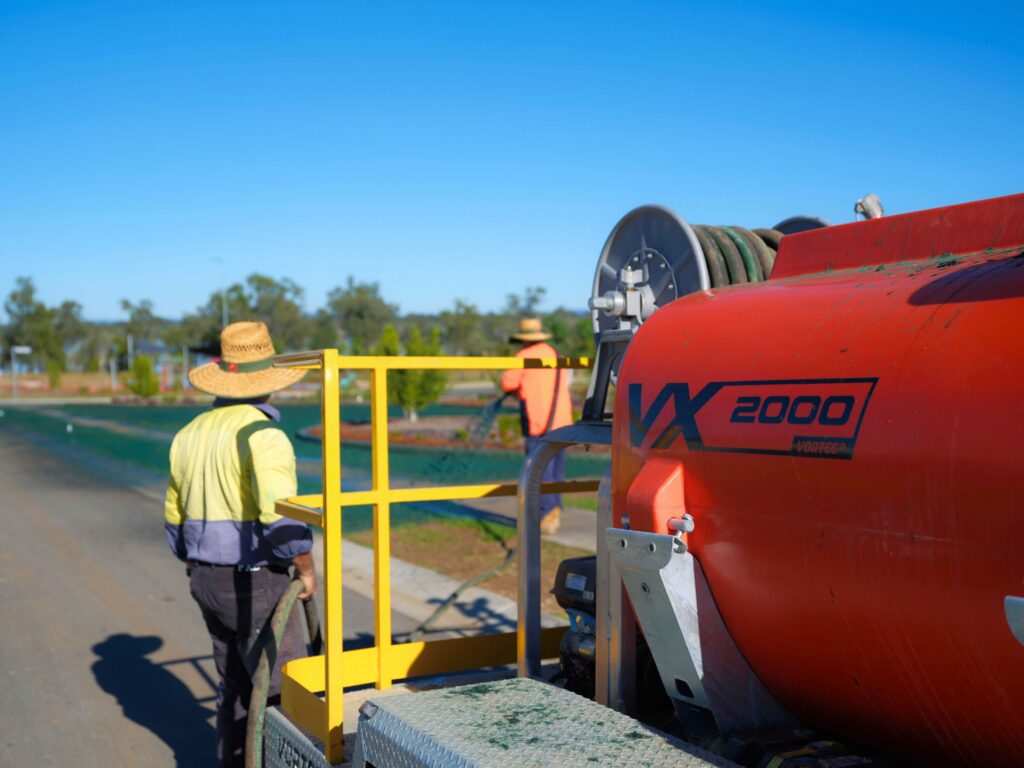
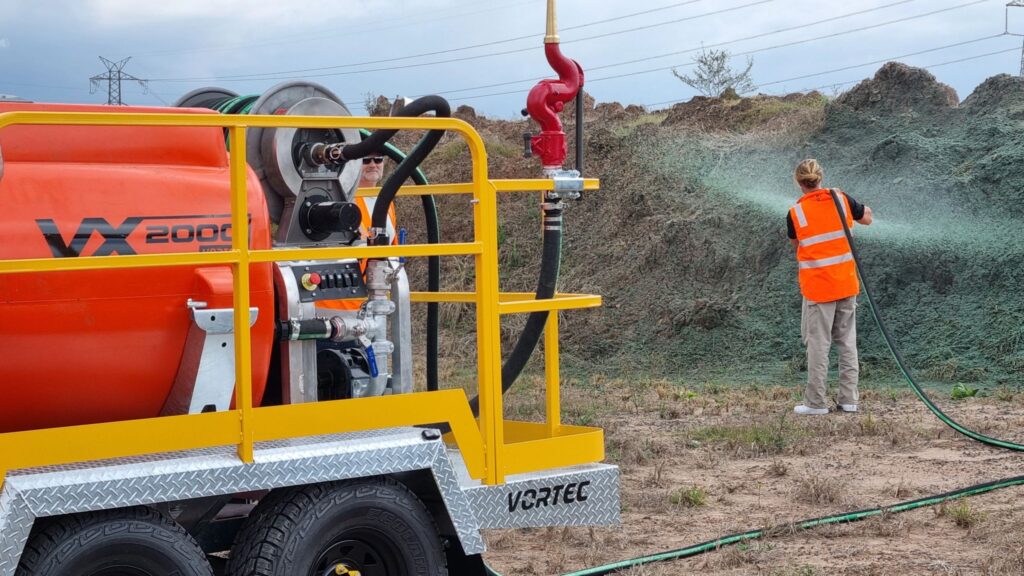
Hydroseeding is a process where a slurry of seed, mulch, water, and fertiliser is sprayed onto the ground. This mixture, applied using specialised equipment, ensures even distribution and promotes faster seed germination. It’s particularly effective for covering large areas quickly, controlling erosion, and establishing vegetation on challenging terrains such as slopes.
What are the Benefits of Hydroseeding?
Hydroseeding offers numerous advantages over traditional seeding methods. It is highly effective in erosion control, making it ideal for areas prone to soil erosion. It provides faster germination due to the protective mulch layer that retains moisture. The process is cost-effective, for both small and large areas, and ensures even seed distribution, reducing the need for reseeding.
What is the Average Cost of Hydroseeding?
The average cost of hydroseeding can vary widely depending on several factors. If you hire a contractor, generally, the price ranges from $1 to $15 per square metre. For a typical small commercial project this might translate to a total project cost between $2,000 and $25,000 depending on the size and specific requirements of the area being seeded. On the other hand, taking hydroseeding in-house with your own equipment could lead to significant cost reduction, particularly for projects that require progressive revegetation or small projects.
What Factors Affect the Cost of Hydroseeding?
There are several variables that influence the cost of hydroseeding:
Area Size: Larger areas generally reduce the cost per square metre due to economies of scale.
Seed Type: The type and quantity of seed can vary based on the project’s requirements. Speciality seeds may increase costs.
Mulch, Tackifiers & Polymers: The combination or sole use of mulch, polymer or tackifier significantly changes the cost price. The most common method is to use a mulch and tackifier.
Terrain: Challenging terrains such as steep slopes may require more preparation and equipment, raising costs.
Labour: Labour can vary significantly based on location and project complexity.
Equipment: Costs related to the hydroseeder and other necessary tools.
Hydroseeding Cost per Square Metre
The cost per square metre for hydroseeding can vary largely based on the size of the project and suitability of equipment. For instance, using a contactor to hydroseed a small area might cost around $15 per square metre, while very large commercial projects could see costs as low as $1 per square metre.
What Is Progressive Revegetation & Erosion Control?
Progressive revegetation & erosion control is a strategy used on construction sites to improve environmental compliance, project productivity & profitability. It is a simple methodology of immediately stabilising areas after any stage of construction. In the past this approach has been limited by the high cost of subcontracting small areas to hydroseeding contractors who’s equipment is expensive to mobilise for small projects. With the availability of small, easy to use Hydroseeders construction companies are now favouring the approach of either purchasing or hiring a small hydroseeder to undertake revegetation and erosion control works as and when needed.
- Removes risk of non-compliance with environmental regulations
- Removes the risk & potential cost of rework
- Increase project productivity
- Increase project profitability
Using a Contractor vs Taking Hydroseeding In-House
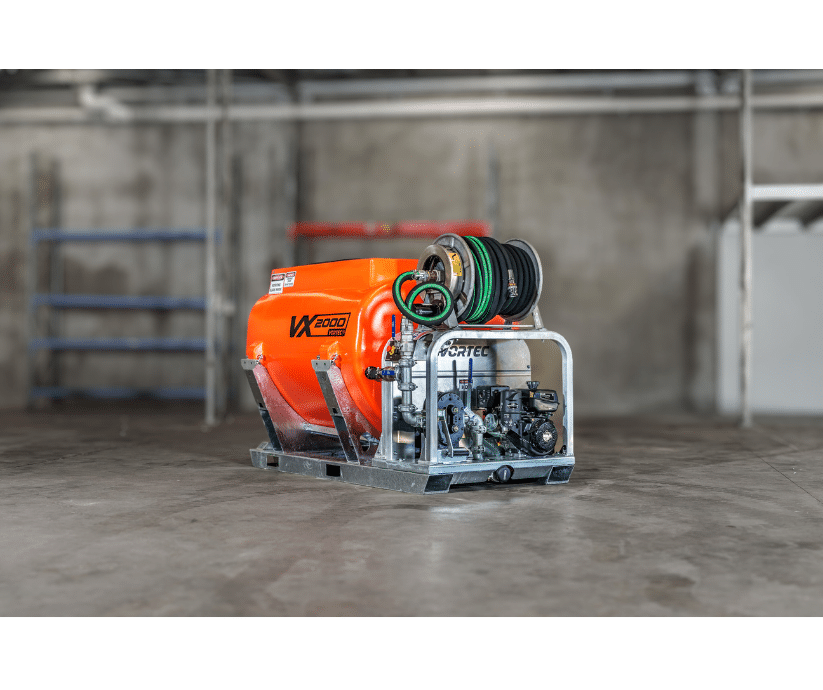
Comparing the use of a contractor with taking hydroseeding in-house reveals several pros and cons. Hiring a contractor can be more straightforward and cost effective for very large areas. However, investing in a hydroseeder and bringing hydroseeding in-house can be significantly more cost-effective, especially for progressive and small to medium size projects. Investing in your own hydroseeding equipment from Vortec Global enables you to take control of the process, leading to better hydroseeding results, better environmental compliance and higher project profitability.
For hydromulching contractors, adding compact hydroseeders to your fleet will give you an edge over competition and enable you to provide a solution to the progressive revegetation and erosion control methodology many construction companies are now specifying for better environmental compliance.
Additional Costs to Consider
Several additional expenses might arise in a hydroseeding project:
- Maintenance: Regular watering and fertilisation to ensure successful growth.
- Equipment Rental: For those opting to take hydroseeding in-house, renting equipment can be a significant cost.
- Ongoing Care: Long-term maintenance to keep the turf healthy.
Choosing durable equipment from Vortec Global can lead to long-term savings by minimising these additional costs.
Tips to Save Money
To reduce hydroseeding costs:
- Buy in Bulk: Purchasing materials in bulk can lower costs.
- Proper Site Preparation: Ensuring the area is well-prepared can prevent the need for reseeding.
- Productive & Easy To Use Equipment: When purchasing equipment it is important to understand your expectations of the equipment, ensuring you purchase a machine that is fit for purpose. Vortec Global manufactures hydroseeders to suit a very large range of hydromulching and erosion control products. The machines are designed to maximise productivity, whilst being very easy to use.
Hydroseeding vs. Other Methods
Comparing hydroseeding with other seeding methods reveals its superior efficiency, cost-effectiveness, and coverage. Traditional seeding methods often require more time and labour, and they are less effective in erosion control. Hydroseeding, especially with Vortec Global’s solutions, stands out for its quick results and extensive coverage.
Conclusion
Hydroseeding is a highly effective and economical method for establishing vegetation. Whether opting for in-house hydroseeding or hiring a contractor, Vortec Global’s equipment and innovations provide reliable solutions for high-quality outcomes. Understanding the costs involved and the factors that influence them can help you make informed decisions, leading to successful project execution and cost savings.