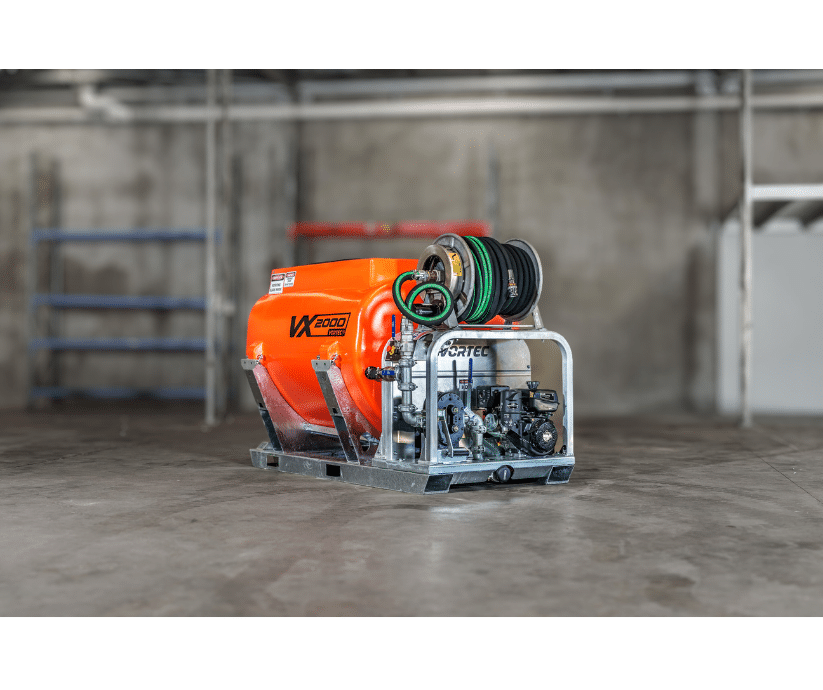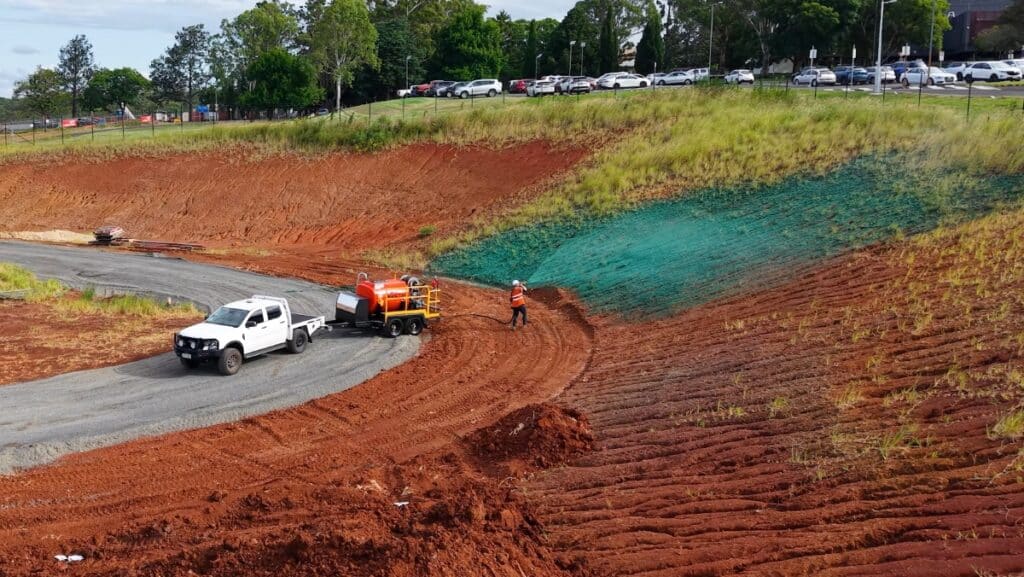

Ground preparation comes first at Vortec Global, where we understand hydroseeding is more than just spraying seed — it’s a holistic process blending engineering, agronomy and precision for lasting results. Whether you’re restoring a construction site, managing slopes or establishing vegetation on new developments, proper soil prep sets the stage for success. (vortecglobal.com)
Hydroseeding’s efficiency and cost-effectiveness are unmatched — but without the right base conditions, even the best slurry mix struggles to deliver uniform coverage and vigorous growth. This guide breaks down ground preparation fundamentals to help you achieve reliable, high-performance results.
1. Clear and Clean the Site
Before hydroseeding begins, the site must be cleared of obstacles and competing vegetation:
-
Remove weeds, existing vegetation, rocks and construction debris to ensure the hydroseeding slurry makes direct contact with the soil surface.
-
For larger sites, mechanical removal using tools such as the Vortec Rippa-Rake allows operators to efficiently strip vegetation, pull debris to the surface and separate rocks while leaving a workable soil profile behind.
-
Where required, a targeted herbicide program should be completed well ahead of hydroseeding.
Starting with a clean, debris-free surface improves slurry adhesion, reduces competition for moisture and nutrients, and creates a consistent base for uniform germination.
2. Assess, Amend and Enhance the Soil
Healthy soil leads to healthy vegetation:
- Test soil pH and nutrients — a soil analysis helps you understand what amendments are needed for strong germination and growth.
- Incorporate topsoil and organic matter where needed. High-quality topsoil improves moisture retention and seed contact.
- Amendments like gypsum (on clay soils), compost or starter fertilisers can balance texture, improve structure and boost early root development.
In many professional projects, a final topsoil depth of 80–150 mm (3–6 in) ensures a fertile, receptive seedbed.
3. Grade and Level for Drainage (Use the Right Tools)
Effective drainage and surface uniformity are non-negotiable:
- Use heavy machinery or appropriate attachments to level low spots, eliminate depressions and shape a gentle slope that directs water away from structures and prevents pooling.
- For earthworks and seedbed conditioning, the Rippa Rake family of landscape rake tools from Vortec (such as the X140 or X230 Rippa-Rake models) helps you sieve rocks, loosen compacted soils, contour the surface and create a uniform base ready for hydroseeding — all with less manual labour and higher precision than traditional rakes or shovels. (Vortec Global)
Proper grading prevents waterlogging that can wash away slurry or inhibit seed germination, and tools like the Rippa-Rake expedite this process while enhancing seedbed quality.
View Range:

4. Loosen and Aerate the Soil
Compacted or crusted soil prevents roots from penetrating and can reduce water infiltration:
- Lightly till or aerate the top 75–150 mm (3–6 in) of soil to create a friable, receptive seedbed.
- Avoid over-tilling — excessive depth can bring buried weed seeds to the surface and create uneven seedbeds.
A well-aerated surface improves soil-to-seed contact, increases oxygen availability and helps moisture reach germinating. (buffaloturf)
5. Pre-Wet the Soil
Moisture matters:
- Lightly irrigate the prepared soil 24–48 hours before hydroseeding to ensure the surface is moist but not saturated.
- Overly dry conditions can reduce slurry adhesion, while saturated soil increases runoff and mud.
Pre-wetting enhances slurry bonding to the soil, giving seeds a better chance to germinate immediately after application.
6. Plan Irrigation and Erosion Control

Hydroseeding is only as good as the care it receives after application:
- Confirm irrigation systems (e.g., pop-up sprinklers or temporary sprays) are operating and positioned correctly before applying slurry.
- On slopes or erosion-prone areas, design additional erosion control measures like tackifiers or hydromulch to protect seed and soil until vegetation establishes.
Future moisture management ensures seeds remain hydrated during the critical early weeks of germination and root establishment.
7. Final Seedbed Preparation
Before the hydroseeding unit arrives:
- Perform a fine rake and smooth pass to break up any remaining clods and ensure even seedbed texture.
- Lightly compact or roll the soil to firm the surface — this promotes consistent seed placement and reduces air gaps beneath the slurry.
Consistency is key: a uniform seedbed leads to uniform germination.
Why This Preparation Matters
Hydroseeding success is driven by:
-
Strong seed-to-soil contact
-
Effective drainage
-
Consistent moisture
-
Balanced nutrients
Cutting corners during ground preparation can result in patchy growth, erosion issues and costly reapplications.
By combining correct site preparation with Vortec Global’s Hydroseeders and Rippa-Rake ground preparation tools, land managers and contractors can achieve faster establishment, thicker vegetation and more reliable results — even on challenging sites.
Vortec Global: Your Ground Prep Partner
From soil conditioning tools to hydroseeding rigs designed for performance and durability, Vortec Global equips professionals with the gear and expertise to elevate every turf and vegetation project. Whether you’re tackling domestic yards or large urban landscapes, meticulous site preparation paired with the right technology gives you the edge for consistent, high-quality results.
Start with solid ground — the rest will grow from there.
Want more information?
Contact a member of our team for expertise: 1800 867 832
or view our product range: