
Long-Term Cost Savings vs. Hiring a Hydroseeding Contractor
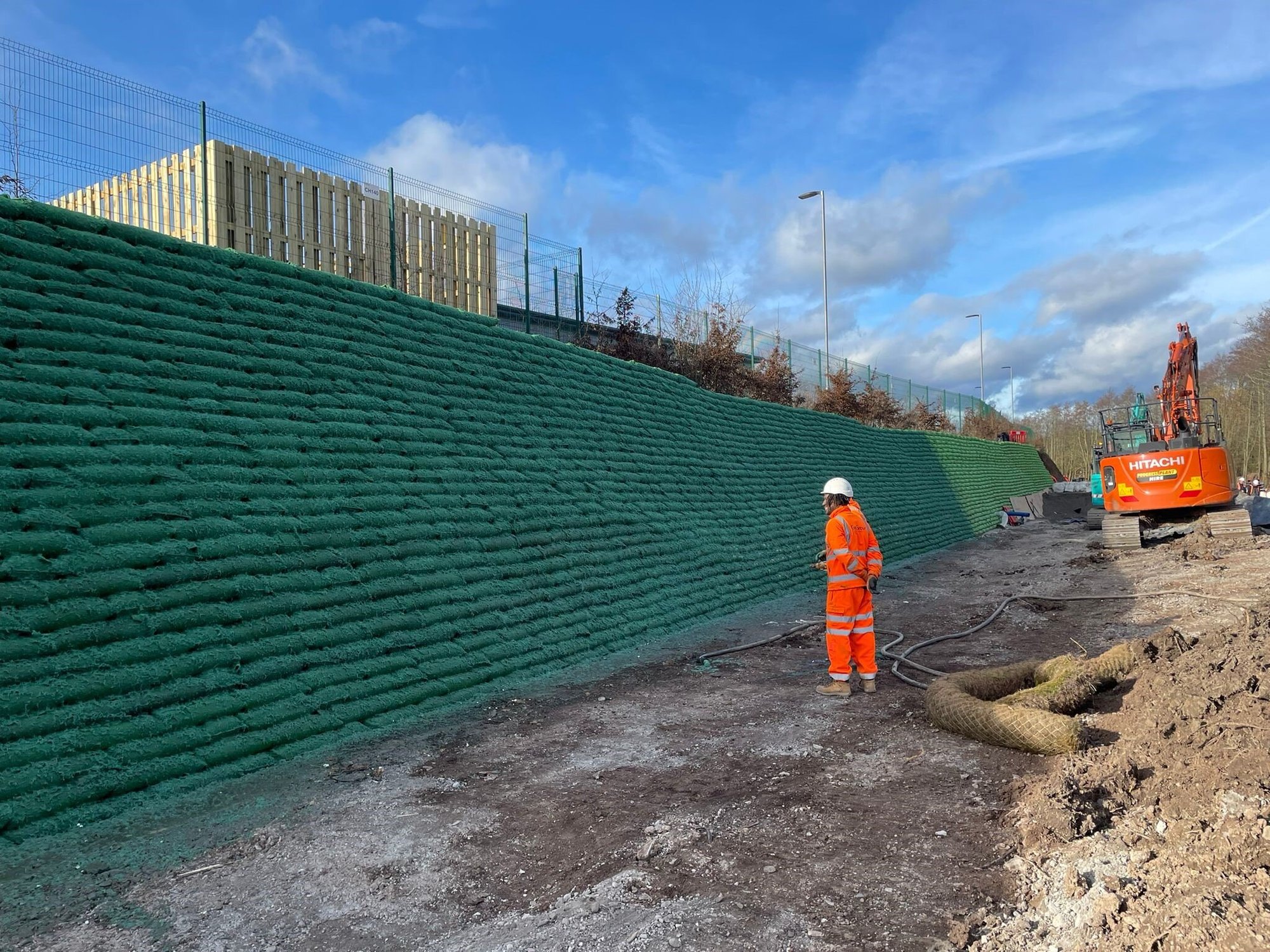
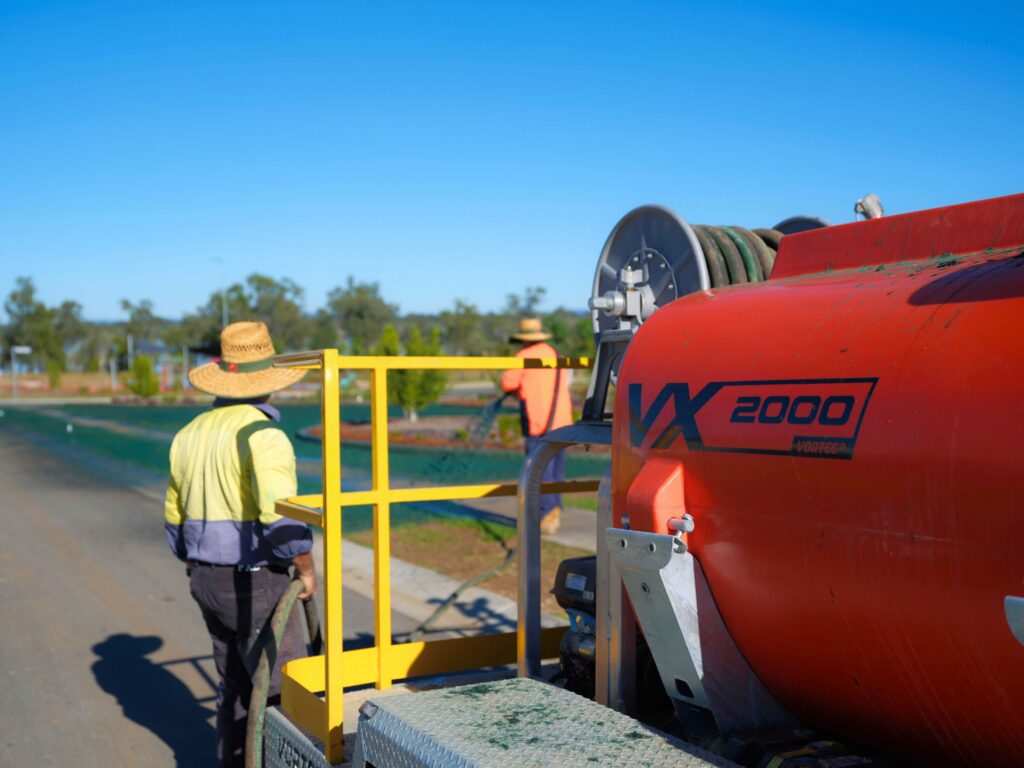
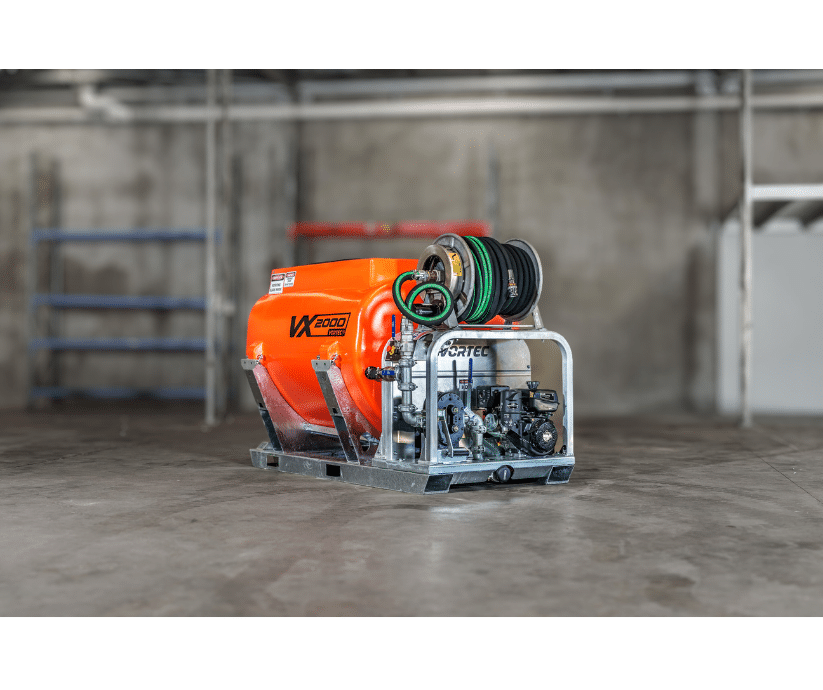
For many civil companies, the traditional model of relying on an external hydroseeding contractor is changing. In today’s civil construction environment, delivering a project is no longer limited to completing earthworks, structures, and pavements. As regulatory oversight increases, many companies are finding that investing in their own equipment is more efficient than hiring a hydroseeding contractor for every site rehabilitation and erosion control task.
Below are the Top 3 reasons hydroseeders are becoming an essential asset within the civil construction industry:
-
Greater Efficiency and Productivity in Site Rehabilitation: Having equipment on-site allows for immediate action as soon as earthworks are completed.
-
Effective Erosion Control and Improved Environmental Outcomes: Companies can maintain full compliance and prevent sediment runoff by spraying sections immediately.
-
Long-Term Cost Savings and Increased Operational Control: By self-performing, firms reduce the long-term expenses and scheduling conflicts often associated with hiring an outside hydroseeding contractor.
1. Greater Efficiency and Productivity in Site Rehabilitation

Time efficiency is a major driver in civil construction, particularly on large infrastructure projects with strict completion milestones. Hydroseeders enable rapid and uniform application of seed, fertiliser, mulch, and soil conditioning agents in a single operation—significantly improving productivity compared to traditional rehabilitation methods.
Hydroseeding allows contractors to:
- Rehabilitate large areas quickly and consistently
- Treat steep batters, embankments, drainage lines, and difficult terrain with ease
- Reduce labour-intensive hand seeding or turf installation
- Improve site safety by applying material from a distance
By accelerating vegetation establishment, hydroseeding helps civil contractors complete rehabilitation works sooner, allowing projects to progress smoothly toward practical completion and handover.
2. Effective Erosion Control and Improved Environmental Outcomes
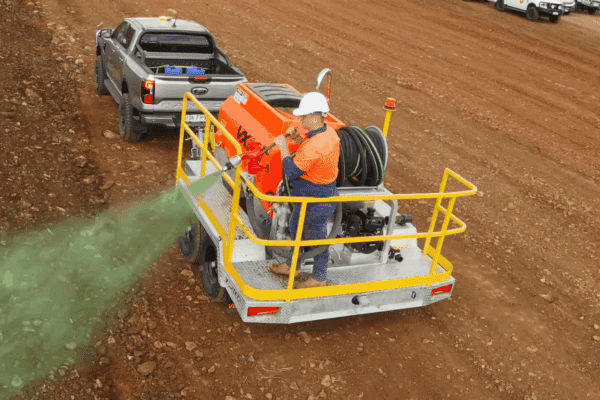
Erosion and sediment control remains one of the most critical risk factors on civil construction sites. Uncontrolled erosion can lead to environmental damage, regulatory non-compliance, costly rectification works, and project delays.
Hydroseeding addresses these challenges by creating an immediate protective layer over exposed soil. The mulch com
ponent binds soil particles together, reducing erosion caused by rainfall, wind, and surface runoff while supporting seed germination.
Key erosion control benefits include:
- Immediate surface stabilisation after earthworks
- Reduced sediment migration into waterways and surrounding areas
- Improved moisture retention, supporting faster and more uniform vegetation growth
- Enhanced ability to meet environmental management plans and regulatory requirements
For civil construction companies, hydroseeding is not only a rehabilitation solution; it is a proactive risk management tool that supports environmental compliance and protects project margins.
3. Long-Term Cost Savings and Increased Operational Control
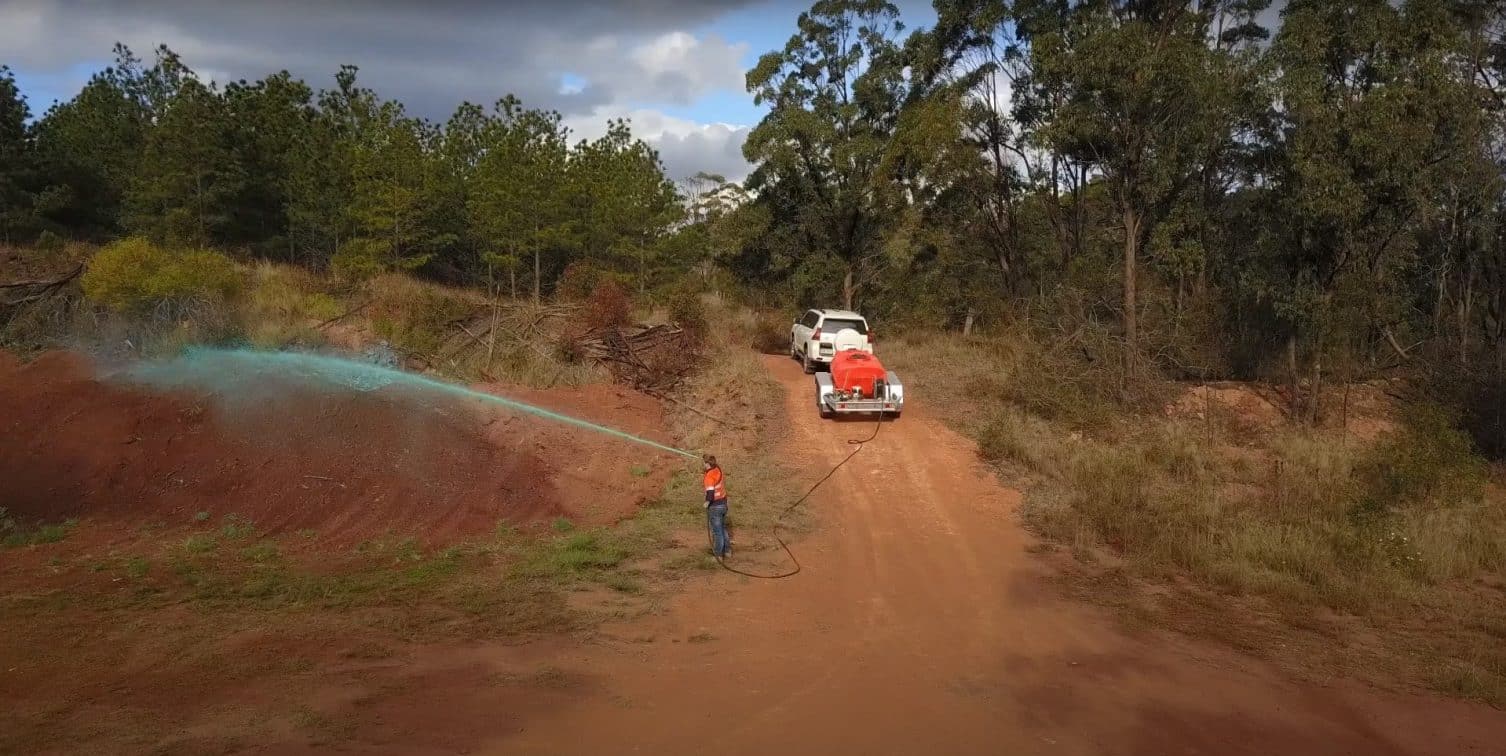
While many contractors initially outsource rehabilitation works, owning a hydroseeder provides significant long-term financial and operational advantages. By bringing hydroseeding in-house, civil construction companies gain greater control over scheduling, quality, and costs.
Operational advantages include:
- Reduced reliance on external subcontractors
- Immediate response to changing weather or site conditions
- Consistent rehabilitation standards across all projects
- Better coordination with earthworks and construction timelines
From a financial perspective, hydroseeders often deliver a strong return on investment, particularly for contractors involved in repeated earthworks, road construction, subdivisions, or large-scale infrastructure projects. In some cases, companies are also able to generate additional revenue by offering hydroseeding services internally across business units or externally to other contractors.
A Strategic Investment for Modern Civil Construction
As civil construction projects continue to increase in scale and complexity, expectations around environmental performance and site presentation are rising. Hydroseeders offer a practical, efficient, and professional solution that aligns with modern construction standards.
By improving rehabilitation efficiency, strengthening erosion control, and reducing long-term costs, hydroseeding equipment has become far more than a supplementary tool. It is a strategic asset.
For civil construction companies focused on productivity, compliance, and delivering high-quality outcomes, investing in a hydroseeder represents a smart and forward-thinking decision that supports both operational performance and long-term business growth.
In an increasingly competitive market, hydroseeding provides civil contractors with a practical advantage by improving efficiency, reducing risk, and enhancing overall project value.